5 Mental Prep Steps Before The Cooking Starts
We encounter individuals everyday who just have had it with cooking. It’s a pain. It’s an unsolvable puzzle. And it’s perpetual. It’s unfortunate that cooking is a necessary precursor to most meals.
People come kitchen coaching hoping to get past the invisible wall between them and their Martha Stewart dreams. Or they come to us to just handle the cooking, because they’d rather not deal with the wall.
The invisible wall barring your functional kitchen system is likely more of a mental barrier than a physical barrier.
It’s not that you don’t know how to chop a carrot.
It’s that you have to think about what’s for dinner. Then try to find a good carrot recipe. Then figure out where to buy the carrots and which carrots are best and when you you’ll have time to chop the carrot. Then figure out how to convince your kids to eat the carrots or convince yourself to eat the carrots. All after a long work day fueled only by coffee. And then it repeats…every…single…day.
You’re exhausted and defeated before you’ve even stepped foot in the kitchen.
In kitchen coaching, we work to systematize our mental processes. We convert our chaotic cloud of thoughts (and anxieties) into manageable, doable, complete-able actions. Many effective cooks do this “intuitively”. But over here, we believe intuition is learned and cultivated.
Here are five ways to start systematizing your mental process around cooking and start cultivating that intuition:
Plan a time to think about what’s for dinner (ideally 2-3 weeks before the actual dinner). If food is the last thing on your mind, you’ll probably only think about it right before you have to–when you’re hungry, unregulated, and have no food materials, energy or plan to get any cooking done. Giving yourself a head start allows you to think more clearly and NOT in fight or flight mode.
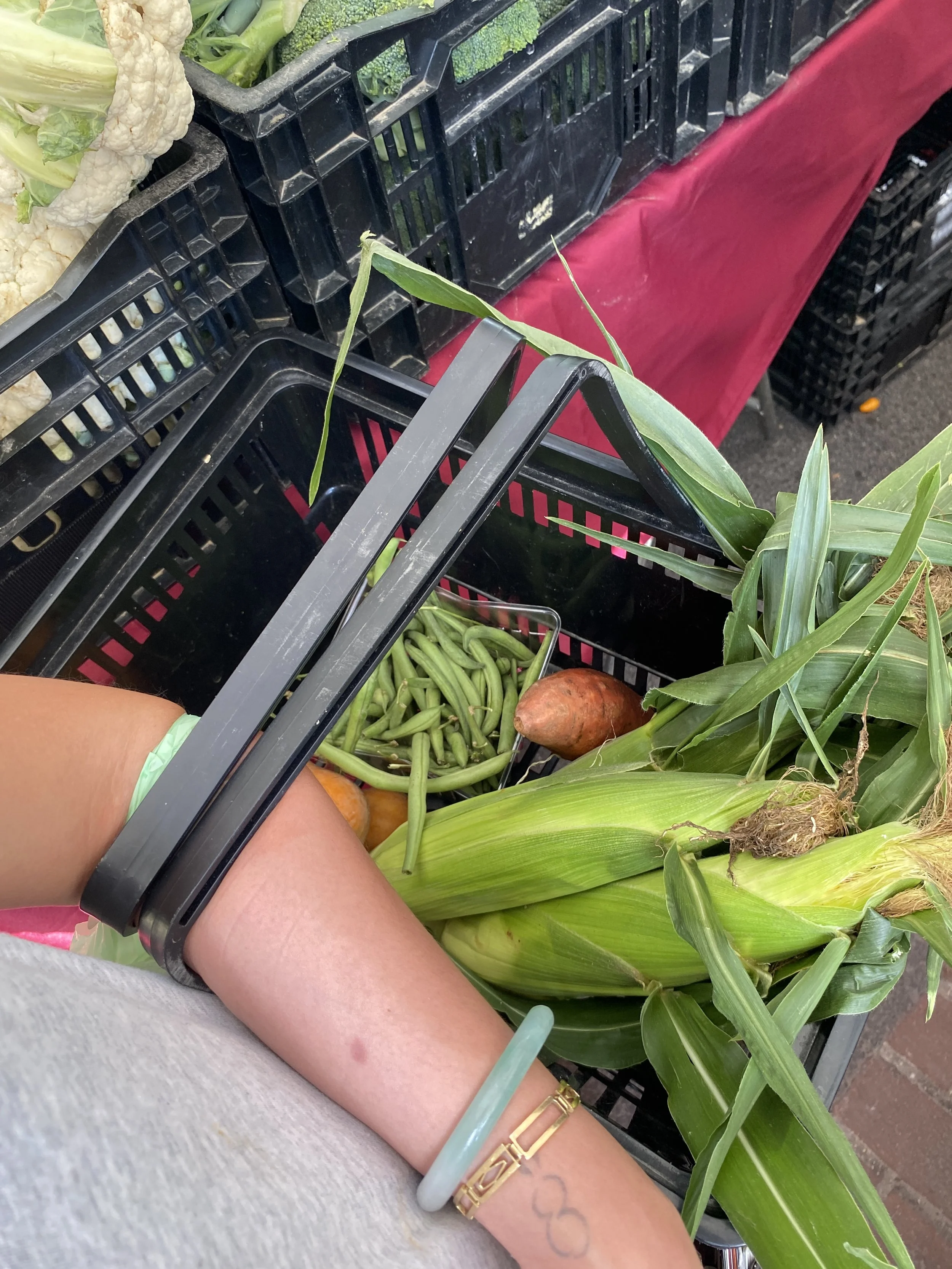
Find an open grocery store on your routined route. On your commute from work to home. Along the walk back from school drop off. Right away, this can solve a) where to get the groceries and b) when to get the groceries.
Decide on a centralized idea bucket for the when a food thought happens to pop up. A quick text to a designated friend. Tell Siri to make a note. Make a photos album of pictures. I would bet that meal ideas pop into your head more often than you’re conscious of. Next time it happens, you’ll be ready to catch it and put it somewhere.
Physically write down 3 default meals for each meal time. 3 go-to breakfasts, 3 lunches, 3 dinners, 3 snacks, etc. Tape it up somewhere you’ll likely go when you’re hungry (your fridge door, the back of your phone, etc.). Next time you’re hungry and didn’t get a chance to do step 1, you can refer to these default meals.
What’s a food adjacent experience or thing that gets you excited? Make more space for your other loves and let cooking naturally follow.
☀️Maybe it’s sharing with loved ones and seeing them happy. —> Be more intentional about inviting people over for something to eat.
☀️Maybe it’s having a beautiful home aesthetic. —> Get some cute meal prep containers and fill it with colorful ingredients.
☀️Maybe it’s the novelty of experiences and flavors. —> Instead of having a restaurant bucket list, make a grocery store bucket list!
Would you give these a try and see what they lead to? Tell us know how it goes —> @mealmatedc!